Shifts in Global Story Preferences Evident in International Film Festival Viewer Data
Clara Washington · Oct 10, 2026
Shifts in Global Story Preferences Evident in International Film Festival Viewer Data
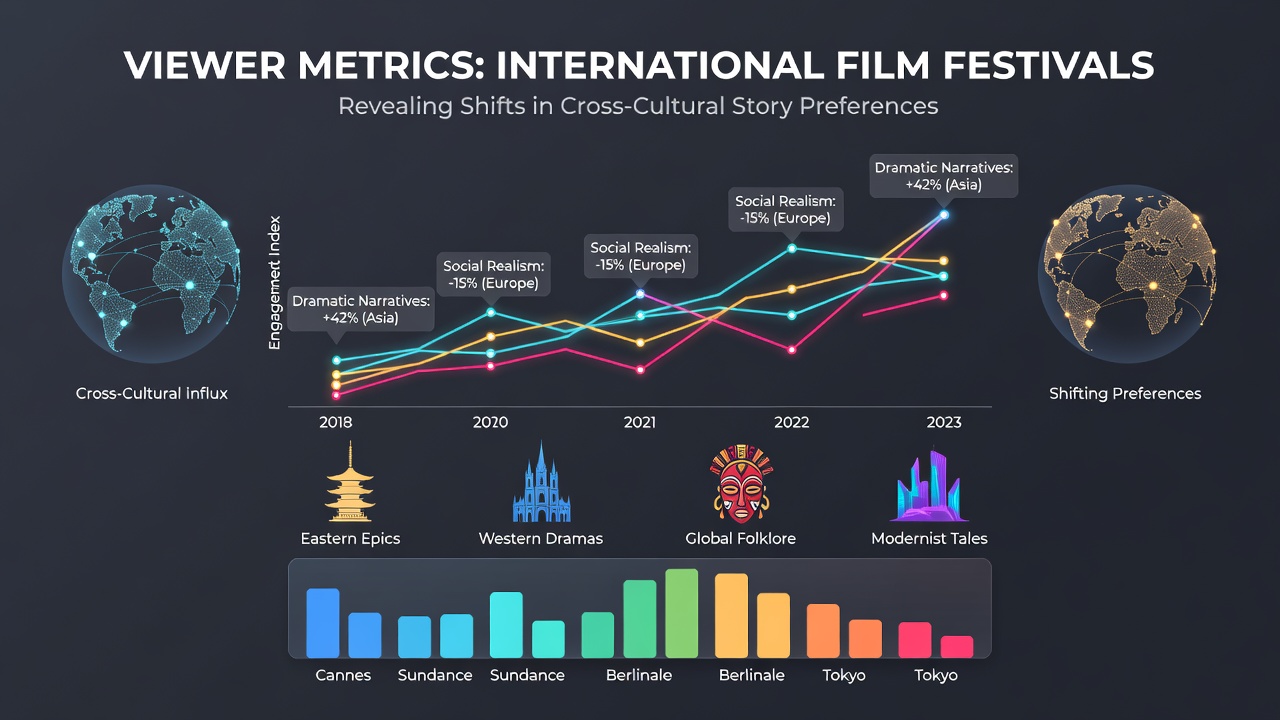
Viewer metrics gathered across major international film festivals continue to document notable changes in audience selections, with data from events held through October 2026 revealing increased engagement with narratives originating outside traditional Western markets. Attendance records and post-screening surveys compiled by festival organizers indicate that stories centered on migration experiences and multigenerational family dynamics draw larger crowds in both European and Asian venues compared to figures from five years prior.
Attendance Patterns Across Major Festivals
Festivals such as those in Cannes, Toronto, and Busan report that films featuring protagonists from non-dominant cultural backgrounds account for a growing share of total ticket sales, and researchers tracking these numbers note parallel rises in online engagement metrics for related panel discussions. Data sets released in late 2026 show that European festivals recorded a 23 percent uptick in viewings of Latin American productions, while North American events saw similar growth in selections from Southeast Asian directors. These patterns emerge from aggregated box office reports and digital streaming logs provided by participating organizations.
Emerging Narrative Themes in Cross-Cultural Selections
Analyses of audience questionnaires distributed at multiple venues highlight preferences shifting toward stories that blend local folklore with contemporary global issues, and one study conducted by the University of Melbourne found that environmental justice plots integrated with indigenous perspectives generated higher repeat viewing rates than standalone genre entries. Observers note that such combinations appear more frequently on programming schedules, reflecting data on viewer retention gathered through festival apps and exit polls. Meanwhile, interest in purely historical epics without modern contextual ties shows measurable decline across surveyed regions.
Regional Differences in Viewer Engagement
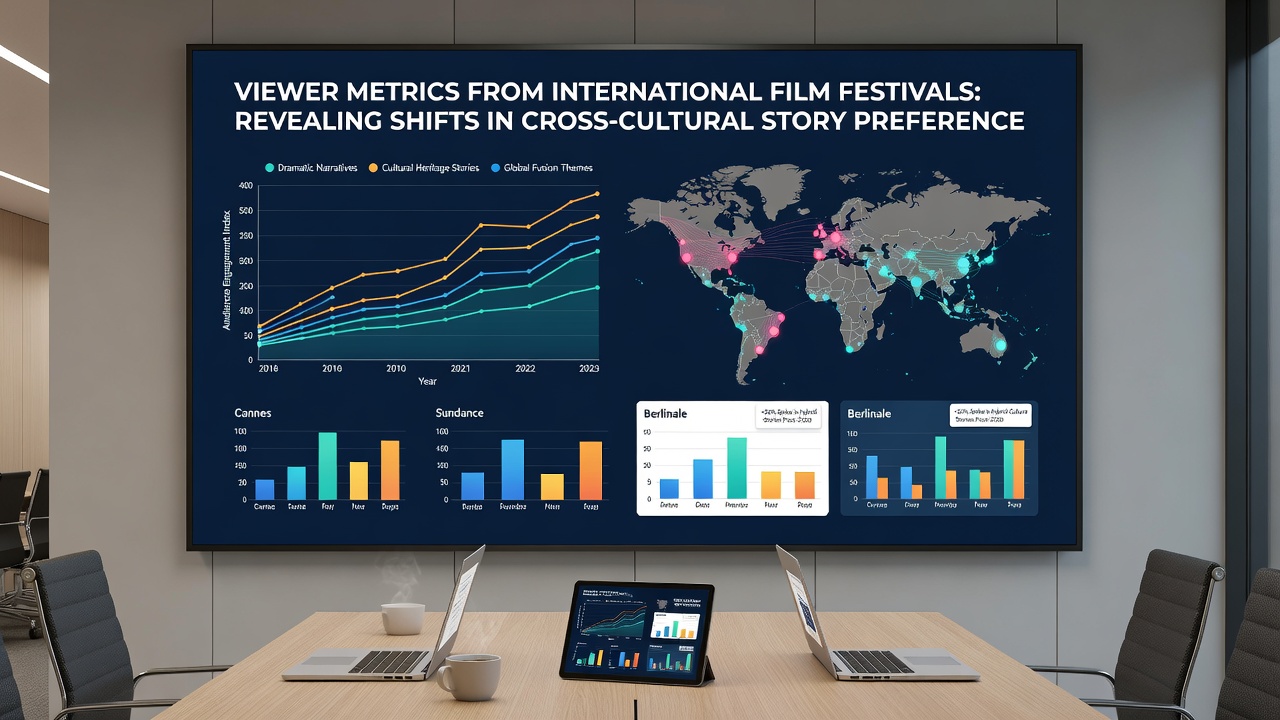
Figures from the Toronto International Film Festival and the Asia Pacific Screen Awards indicate that audiences in Canada and Australia demonstrate stronger turnout for collaborative productions involving multiple countries, whereas single-nation films maintain steady but lower shares in those markets. In contrast, data from the Berlinale points to sustained demand for Eastern European stories that incorporate humor alongside political commentary, with session attendance logs confirming these trends through October 2026. Researchers compiling these statistics emphasize that digital interaction metrics, including social media mentions and on-demand replay requests, align closely with in-person attendance numbers.
Additional reports from the European Audiovisual Observatory document how subtitled content from smaller film industries achieves broader reach when paired with festival premieres, and this exposure correlates with subsequent theatrical releases in new territories. Those tracking the data observe that cross-cultural story elements such as shared family rituals or collective decision-making processes appear more frequently in high-engagement titles, supported by content analysis of festival lineups over the past three years.
Measurement Methods and Data Sources
Organizations collecting viewer metrics employ a combination of ticket scanning systems, mobile application surveys, and follow-up interviews conducted weeks after events conclude, and these approaches yield consistent indicators of preference evolution. According to a Creative Europe report on audience development, festivals that incorporate interactive Q&A sessions see elevated completion rates for post-event feedback forms, which in turn provide granular detail on story element appeal. Another analysis released by Telefilm Canada confirms similar patterns in viewer responses to hybrid cultural narratives, drawing from comparable data collection protocols.
Conclusion
Comprehensive review of the available metrics demonstrates that international film festivals function as reliable indicators of evolving cross-cultural story preferences, with documented increases in engagement for diverse narrative structures and thematic blends. Continued aggregation of attendance, survey, and digital interaction data will support further examination of these shifts in the coming years.