Layering Ambient Textures: Sound Designers Build Urban Isolation in Modern Dramas
Rafael Koch · Sep 12, 2026
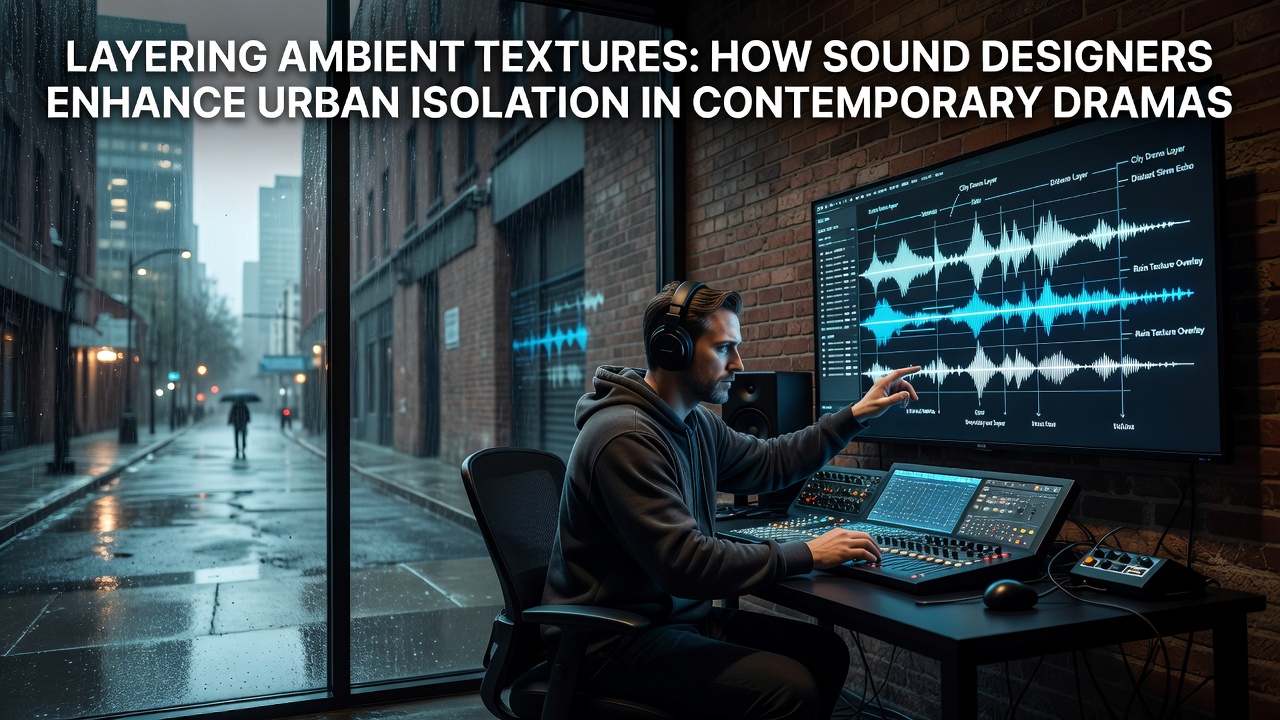
Layering Ambient Textures: Sound Designers Build Urban Isolation in Modern Dramas
Sound designers approach urban isolation in contemporary dramas by constructing dense yet selective ambient layers that place characters inside bustling environments while keeping them emotionally detached, and this method relies on precise recordings of city elements such as distant traffic hums, overlapping conversations in public spaces, and faint mechanical drones from infrastructure that fade in and out to mirror internal disconnection. Observers note that these textures emerge from field recordings captured at specific times of day, then processed through software that adjusts frequency ranges and spatial positioning so that the audience hears the city as a constant presence without direct interaction.
Core Techniques in Ambient Construction
Professionals begin with multitrack recordings gathered from real metropolitan locations, then they separate individual elements like wind through alleyways, muffled subway announcements, and intermittent construction noises before recombining them at varying volumes to avoid overcrowding the mix. Data from industry reports indicate that such separation allows designers to emphasize isolation by lowering direct dialogue clarity while raising background layers during moments of character reflection, and this creates contrast between external activity and internal silence. Researchers at institutions across North America have documented how low-frequency rumbles from ventilation systems and high-pitched distant sirens serve as anchors that ground scenes in realism yet reinforce solitude when paired with minimal musical cues.
Integration with Narrative Pacing
Editors and sound teams coordinate these ambient elements with scene transitions so that a character's movement through crowded streets carries persistent echoes that linger into private interiors, and this continuity underscores separation even as visual framing shifts from wide exteriors to tight close-ups. Studies conducted by European film research groups reveal patterns where designers introduce subtle phase shifts in ambient tracks during emotional peaks, which produces a disorienting effect that aligns with character psychology without relying on overt effects. Those who analyze completed works observe that the process often involves iterative mixing sessions where layers receive automated volume automation tied to character proximity to other figures on screen.
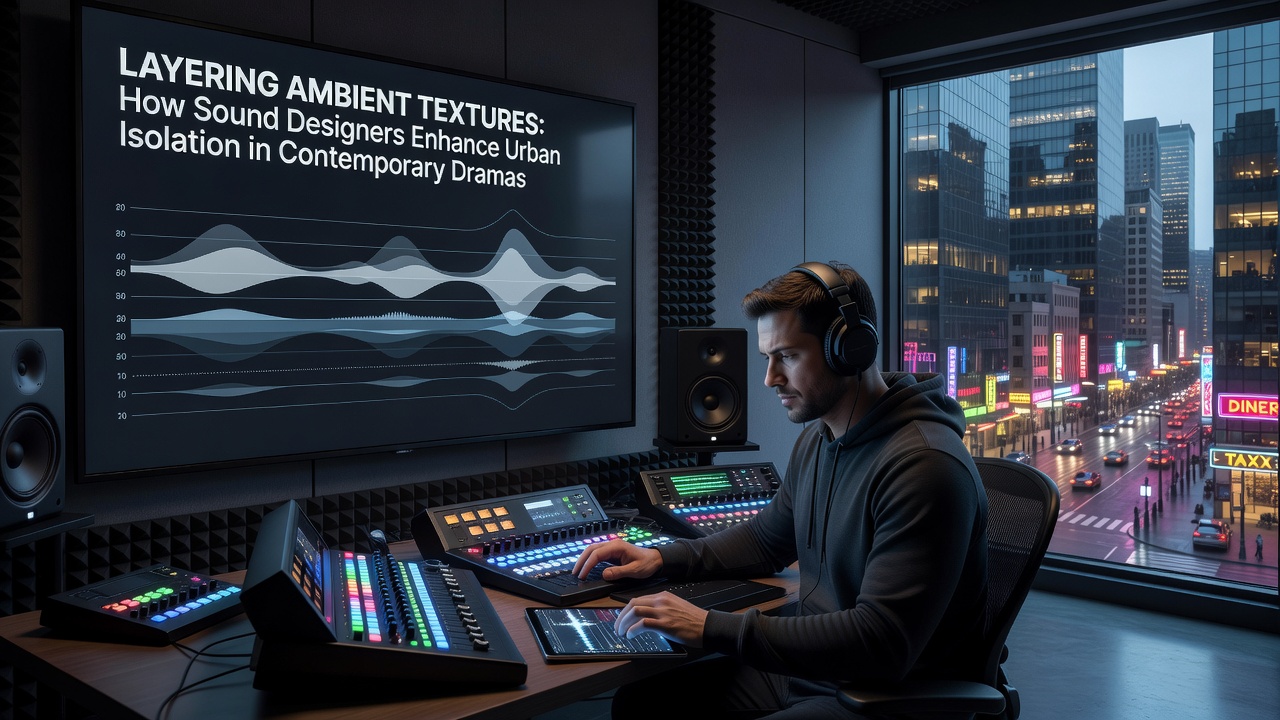
What's interesting is how these techniques extend into post-production workflows that incorporate real-time adjustments based on test screenings, where audience response data guides refinements to the balance between city noise and character breathing sounds. According to findings published through academic channels in Australia, the strategic placement of intermittent silences within otherwise continuous urban beds heightens the perception of loneliness by allowing brief moments of auditory clarity that quickly dissolve back into the surrounding texture.
Examples Across Recent Productions
Take productions filmed in dense metropolitan centers where sound teams record authentic street activity during principal photography, then layer those captures with studio-generated elements such as distant elevator chimes and rain on concrete to fill gaps left by controlled shooting environments. Industry organizations focused on audio preservation have catalogued methods that include binaural capture techniques for headphone mixes, and these approaches enable home viewers to experience the same spatial isolation intended for theatrical playback. People who've examined multiple releases note recurring use of reversed ambient snippets that create an unsettling undercurrent, while maintaining overall realism through careful equalization that matches the acoustic properties of depicted locations.
Sound supervisors coordinate with directors to identify key isolation beats early in pre-production, which allows field recordists to target specific urban sounds that later receive digital enhancement for emotional emphasis. Figures from film technology reports show increased adoption of AI-assisted tools that analyze raw recordings and suggest complementary layers, yet human oversight remains central to ensure narrative alignment. In preparations leading into events planned for September 2026, several production houses have begun experimenting with location-specific archives to expand their texture libraries for upcoming dramatic projects.
Technical Tools and Workflow Evolution
Modern software platforms facilitate precise control over reverb tails and frequency masking so that ambient beds sit underneath dialogue without masking key frequencies, and this technical precision supports the thematic goal of embedding characters in environments they cannot fully access. Trade associations in sound engineering across multiple continents track how plug-in chains evolve to handle complex layering demands, with updates focused on dynamic range compression that preserves subtle details in crowded mixes. Those who've reviewed technical papers from university programs in Canada highlight the role of impulse response modeling, which recreates the acoustic signature of specific urban spaces to place isolated voices convincingly within them.
Conclusion
The practice of layering ambient textures continues to develop through collaboration between field recordists, mix engineers, and narrative teams, resulting in soundscapes that convey urban isolation with measurable consistency across contemporary dramatic releases. Evidence from ongoing research indicates sustained interest in refining these methods as viewing platforms diversify and audience expectations for immersive audio rise.