Coordination Tactics of Second Unit Directors in Amplifying Scale in Disaster Genre Sequences
Mara Keller · Sep 26, 2026
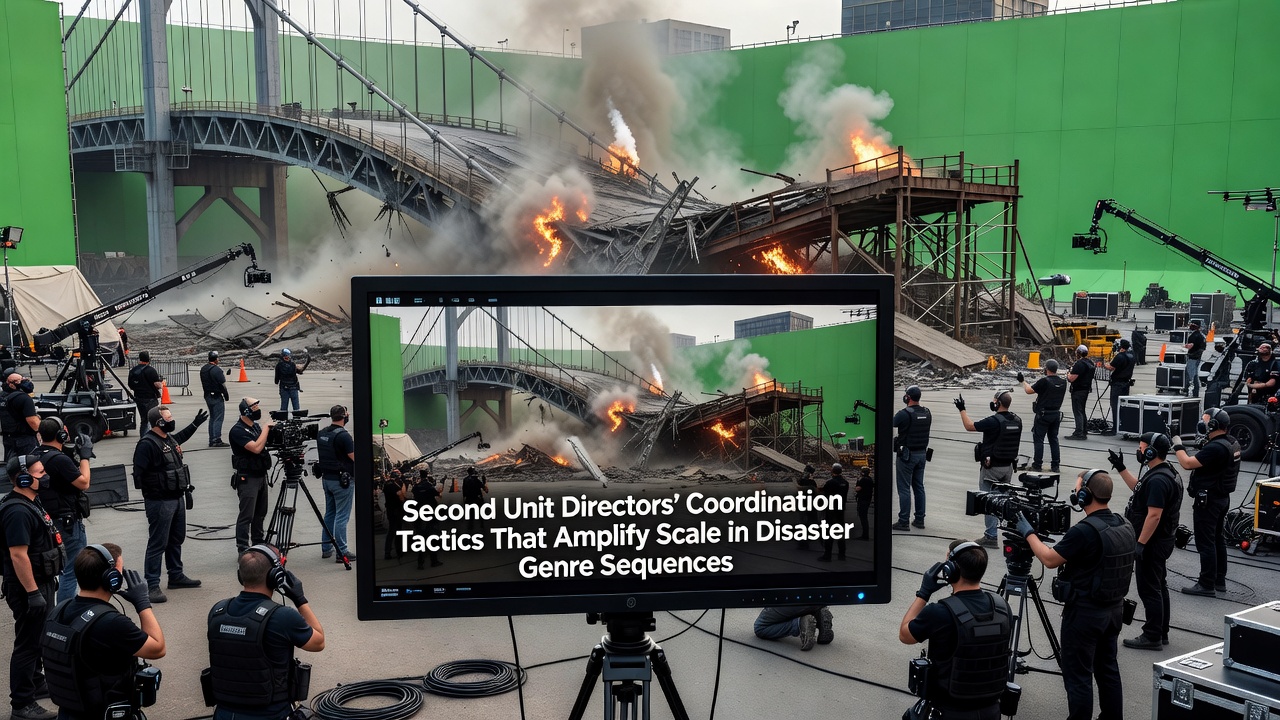
Coordination Tactics of Second Unit Directors in Amplifying Scale in Disaster Genre Sequences
Second unit directors handle specialized sequences that expand the visual scope of disaster films, and their coordination with primary production teams relies on structured planning sessions, shared storyboards, and synchronized shooting schedules that allow simultaneous capture of dramatic character moments alongside expansive environmental destruction scenes. These directors oversee teams focused on elements such as crowd movements, vehicle pursuits through collapsing structures, and practical effects integration, while the main unit concentrates on dialogue-driven exchanges in controlled environments.
Pre-Production Planning and Resource Allocation
Preparation begins months ahead when second unit directors review scripts alongside the primary director to identify sequences requiring scale amplification, such as citywide floods or earthquake sequences, and they develop detailed breakdowns that map camera placements, stunt timings, and safety protocols. Data from production reports compiled by the American Film Institute show that effective allocation of resources across multiple locations reduces overall shoot durations by aligning second unit work with weather patterns or set availability windows. Observers note that teams often incorporate digital previsualization tools to simulate crowd flows and structural collapses, which facilitates adjustments before physical production starts.
On-Set Communication and Multi-Unit Synchronization
During active filming, second unit directors maintain constant contact through dedicated radio channels and video feeds that transmit live footage back to the main set, enabling real-time adjustments when environmental conditions shift unexpectedly. This approach proves essential in sequences involving water tanks or pyrotechnics, where precise timing between explosion triggers and actor reactions demands split-second decisions across separate crews. Researchers at the University of California, Los Angeles film studies program documented cases in which synchronized units captured up to four times more footage per day compared to single-unit operations in comparable disaster productions. Those who study these methods highlight the use of modular scheduling blocks that permit one unit to reset equipment while another advances to the next setup.
Integration of Practical Effects and Location Work
Second unit directors frequently direct operations at remote or hazardous sites where large-scale elements like controlled demolitions or massive vehicle convoys amplify the sense of catastrophe, and they coordinate with effects specialists to layer these practical components over digital enhancements planned for post-production. In September 2026, industry schedules indicate several international disaster projects will utilize combined location and studio tactics in regions with variable climates to capture authentic atmospheric details. Production logs reveal that these directors establish fallback protocols for weather interruptions, which include pre-approved alternative camera angles and scaled-down effect versions that preserve narrative momentum without compromising safety standards.
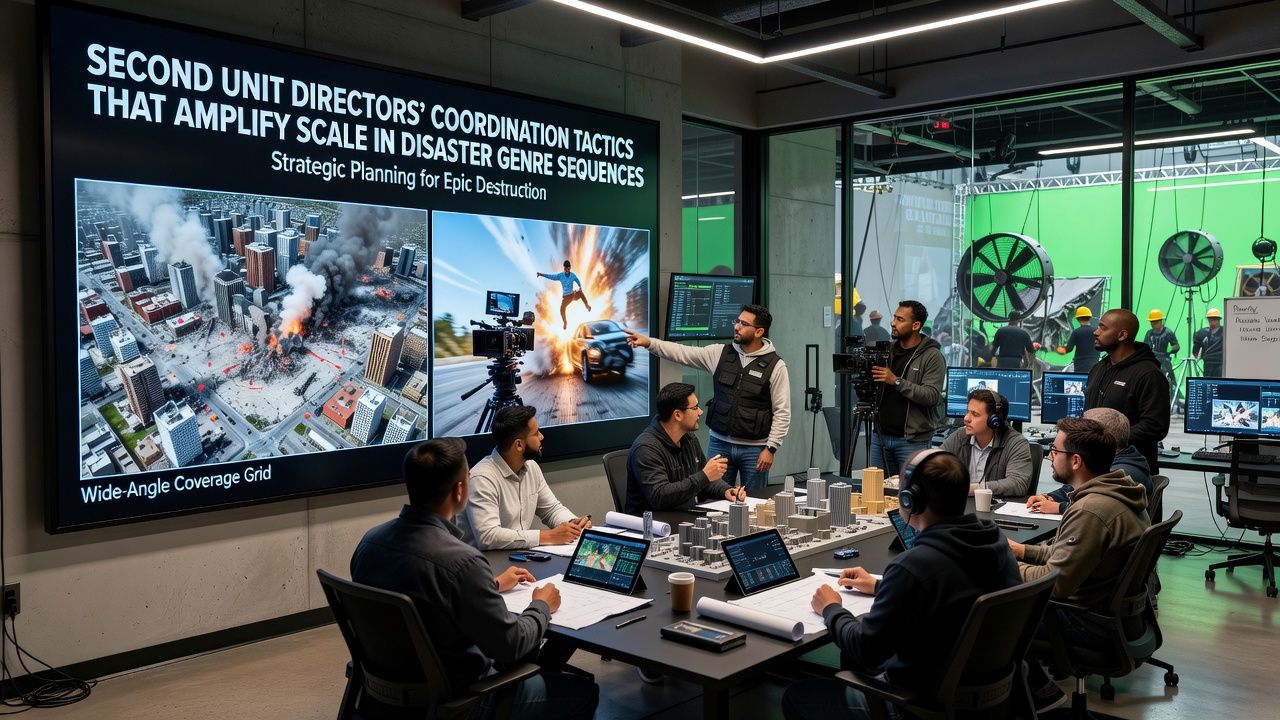
Case studies from films such as those depicting volcanic eruptions demonstrate how second unit teams manage hundreds of extras and specialized rigs to create cascading debris fields, while maintaining visual continuity through shared reference plates shot in tandem with the primary camera team. Experts have observed that this layered coordination extends to night shoots where lighting continuity across vast areas requires additional gaffers assigned exclusively to the second unit.
Post-Production Handoff and Editorial Alignment
Once principal photography concludes, second unit directors deliver annotated footage logs that detail shot priorities and timing markers, which editors then use to intercut expansive action material with intimate character reactions captured by the main unit. This handoff process incorporates metadata from on-set monitoring systems that track frame rates and lens information, ensuring seamless blending during visual effects compositing phases. Studies conducted by the British Film Institute indicate that productions employing these detailed coordination methods achieve higher efficiency in editorial timelines, particularly when disaster sequences span multiple geographic zones and require consistent lighting and color grading across disparate sources.
Conclusion
Second unit directors contribute measurable scale to disaster genre sequences through systematic coordination tactics that span pre-production mapping, on-set synchronization, practical effects execution, and structured editorial delivery. These methods rely on established industry practices documented across multiple productions and supported by research from academic and institutional sources. As production schedules evolve, the emphasis remains on precise resource distribution and communication frameworks that support the technical demands of large-scale sequences.